
Table of Contents
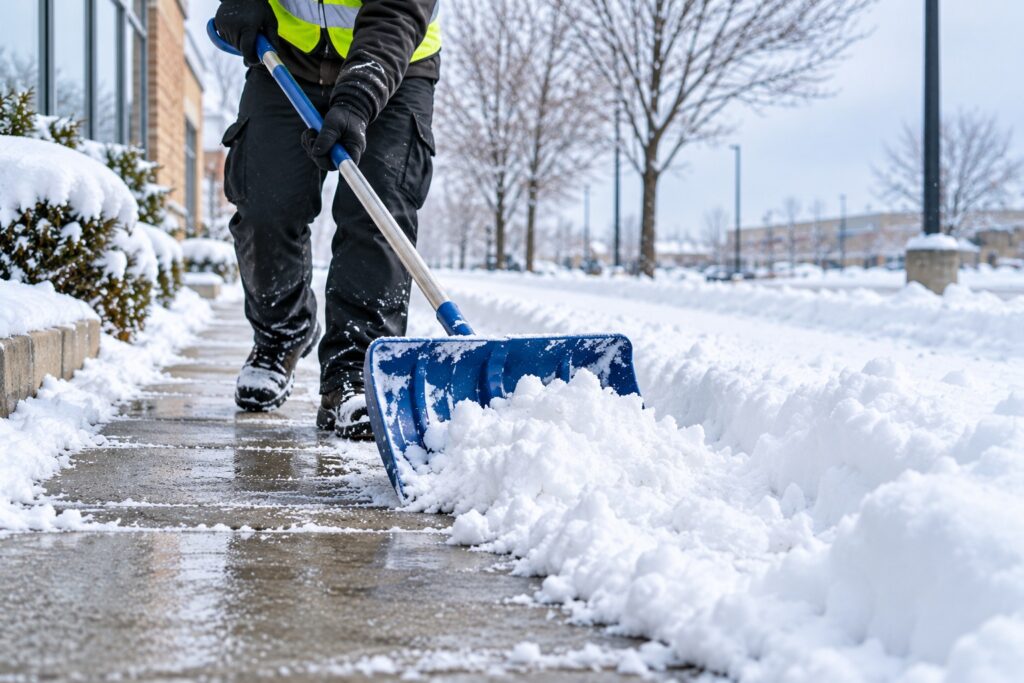
Every Rochester resident knows the feeling of waking up to a sky the color of dishwater and a forecast full of numbers. Winter here is long, and it rarely follows a script. If you are new to the area, or simply want to be better prepared, knowing what a typical season looks like makes every storm easier to handle. This guide walks through the winter calendar, what crews do during a storm, and how to set realistic expectations. It is written for homeowners and business owners who rely on Snow Removal to keep life moving, and for anyone shopping for dependable Snow removal Rochester NY support.
The Shape of a Rochester Winter
Winter in this part of New York tends to start in November and can linger into March or even April. The heaviest and most frequent snowfall often shows up in the middle of the season, when cold air crosses the relatively warm waters of Lake Ontario and builds narrow bands of lake-effect snow. These bands can drop several inches in a few hours over one area while a nearby town stays mostly dry.
Because of this, expectations for Snow Removal Rochester NY residents rely on should be flexible. A plan that works in a mild week may need extra visits when a band parks overhead.
A Month-By-Month Look
Conditions change from month to month, and so does the work. This table gives a general picture of what many people experience. Remember that every season is different, so treat it as a guide rather than a promise.
| Month | Typical Conditions | What to Expect From Service Crews |
|---|---|---|
| November | First light snowfalls, cold mornings, early freezes | Contracts begin, equipment is tested, first salt applications |
| December | More frequent storms, lake-effect bands start | Frequent visits, busy routes, early morning clearing |
| January | Coldest weather, heavy and repeated snowfall | Back-to-back visits, hauling for large lots, steady ice control |
| February | Continued snow, sudden thaws and refreezes | Ice management becomes a priority, melt and drainage checks |
| March | Wet, heavy snow mixed with warming days | Slushy conditions, final storms, cleanup of piles |
Treat this as a rough outline and not a forecast. Some winters arrive late, and others bring a surprise storm in April.
Understanding Different Storm Types
Not every storm looks the same, and each one creates different challenges.
- Lake-effect snow: fast, localized, and often heavy, with bands that shift hour by hour
- Nor’easters and large systems: wide coverage, wind, and drifting that can last a day or more
- Freezing rain and ice: thin coatings that make surfaces dangerous without much visible snow
- Quick thaw and refreeze cycles: meltwater that turns to ice overnight
A knowledgeable provider of Snow Removal plans differently for each type, adjusting trigger depth, salt use, and timing as conditions change.
What Happens During a Storm
Knowing the process helps you stay calm. When a storm begins, crews monitor snowfall and conditions. Once the agreed trigger depth is reached, they head out along their routes, working through properties in order. Heavy storms may require more than one pass, since snow that falls after the first visit still needs to be cleared.
Crews usually clear driveways or lots first, then walkways and entrances, and treat slippery areas as needed. Because every property in the area needs help at once, there is always some waiting involved. A good company explains its route order and keeps you informed about delays.
What Services Are Typically Included
Offerings vary, so ask for details. Most Snow Removal Services include some combination of these items:
- Plowing of driveways, parking lots, and drive lanes
- Shoveling of steps, porches, and walkways
- Salt or sand on slippery areas
- Clearing the ridge left at the end of a driveway
- Return visits during long storms
- Basic records of when work was done
Confirm in writing which items are part of your plan and which cost extra. Surprises are much less common when everything is listed in advance.
Setting Realistic Expectations
Even the best crews cannot be everywhere at once. Roads may be unsafe, equipment can break, and heavy snowfall slows everyone down. Instead of expecting instant results, ask for typical arrival windows and understand that they may stretch during major storms.
Be cautious about any company that promises immediate service every time. Honest providers talk about limits and explain how they handle delays. Realistic Snow Removal expectations lead to less frustration and better communication on both sides.
Ice Control and Safety
Plowing clears the snow, but ice is often what causes slips. Ice control works best when it is planned in advance. Many providers apply de-icer before storms and again afterward, with extra attention to steps, ramps, and shaded areas.
Use salt thoughtfully. Too much can burn grass, damage plants, and wear down concrete, and it can wash into storm drains and nearby waterways. Ask how your provider applies de-icing products and whether alternatives such as sand are available for sensitive areas.
Costs You Can Expect
Pricing depends on the size and layout of your property, the number of visits, and the extras you choose. Common models include per-visit pricing, seasonal contracts, and hybrid plans with additional charges for very heavy storms. When you compare quotes for Snow Removal Rochester NY property owners ask about, look at everything included rather than only the total. A lower price that leaves out walkways or salting may cost more once those services are added.
Seasonal contracts offer predictable budgeting, while per-visit pricing offers flexibility in lighter winters. Neither is always better, so choose based on how much snow you expect and how much you value predictability.
How to Prepare Before the First Storm
A little preparation goes a long way. Use this short list in the fall:
- Walk your property and note curbs, drains, lights, and fragile landscaping
- Mark driveway edges with reflective stakes
- Decide where snow can be piled safely
- Stock ice melt and a sturdy shovel near entrances
- Save your provider’s phone number in your contacts
- Share the plan with family members, tenants, or employees
Taking these steps makes Snow Removal smoother and reduces the chance of damage or missed spots.
Communication Makes the Difference
Good communication is part of the service. Ask how the company notifies you about delays, how to reach someone after hours, and how complaints are handled. Photos and simple service logs help when you need to confirm that work was done. Clear communication turns a stressful storm into a manageable one.
Choosing the Right Provider
When you compare companies, look for proof of liability insurance, a written agreement, local reviews, and honest response windows. Ask about equipment, backup plans, and how routes are managed during long storms. A provider of Snow Removal Services that answers questions patiently before you sign is more likely to do the same during a blizzard.
Why Customers Choose Marble Landscaping Rochester
Marble Landscaping Rochester handles both landscaping and winter services, so our crews already know your property before the first snowfall. We offer Snow Removal Services for driveways, parking areas, walkways, and ice control, with clear agreements and honest communication.
Our approach to Snow removal Rochester NY is simple: walk the property, agree on a plan in writing, and show up when we say we will. We understand how quickly conditions change here, and we plan our routes with that in mind. If you want dependable Snow Removal this winter, contact us in the fall for a site visit and a clear estimate.
Frequently Asked Questions
What should I expect from Snow removal Rochester NY providers during heavy storms?
Expect repeated visits and some delays, since every property in the area needs service at once. A good provider explains arrival windows and keeps you updated.
What do Snow Removal Services usually include?
Most plans cover plowing and walkway clearing, and many include salting and return visits. Always confirm the exact services in writing.
How much snow triggers a visit?
Many contracts use about two inches, though some customers prefer one inch for safety. Choose a depth that fits your routine.
When should I book service?
Early fall is ideal. Companies often fill their routes before the first storm, so early customers have more choices.
Is a seasonal contract better than paying per visit?
Seasonal contracts offer predictable costs, while per-visit pricing gives flexibility. The right choice depends on your property and budget.
What happens if the crew misses a visit?
Your agreement should explain how complaints are handled and how quickly a missed visit will be corrected. Keep photos and records to help resolve any issue.